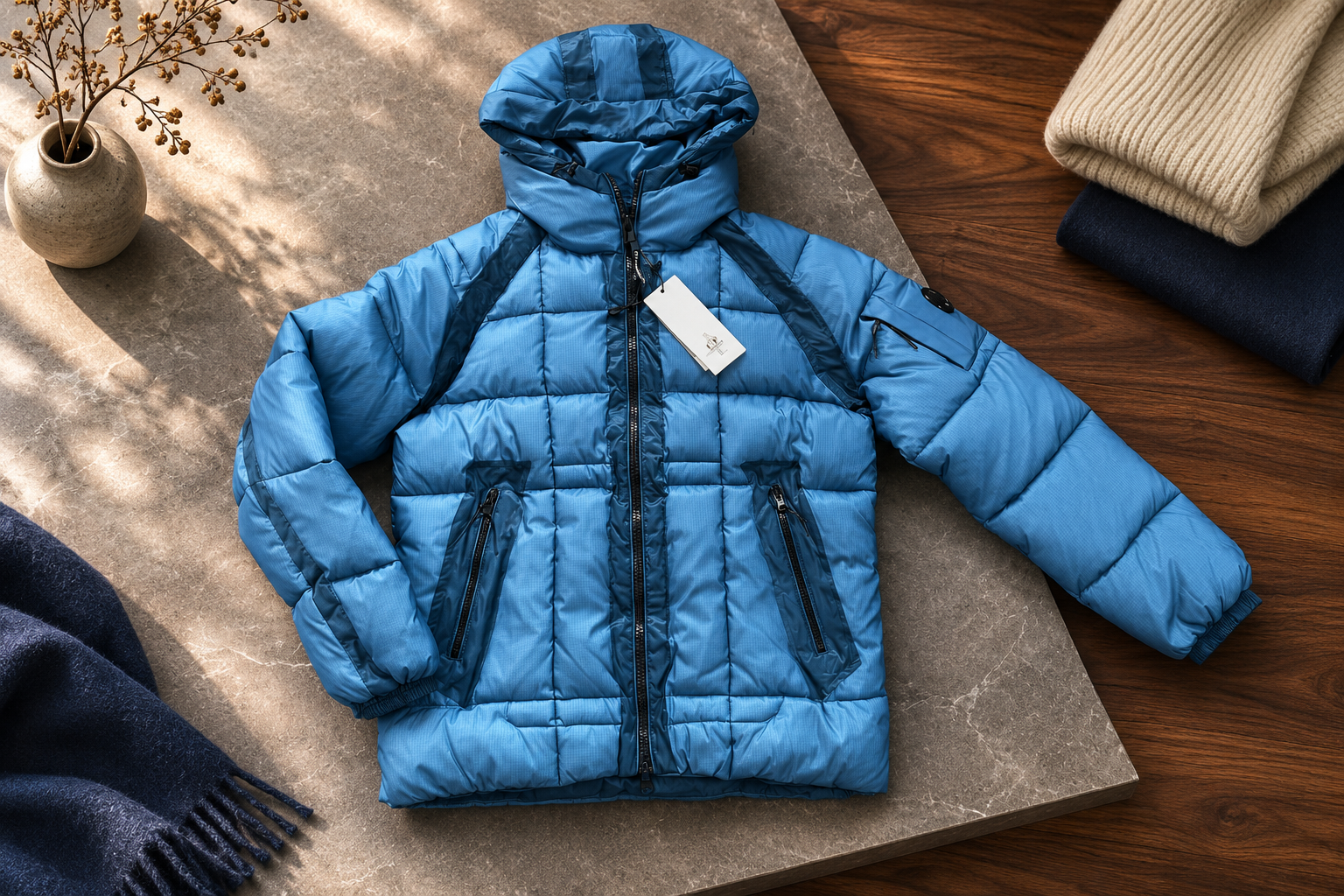
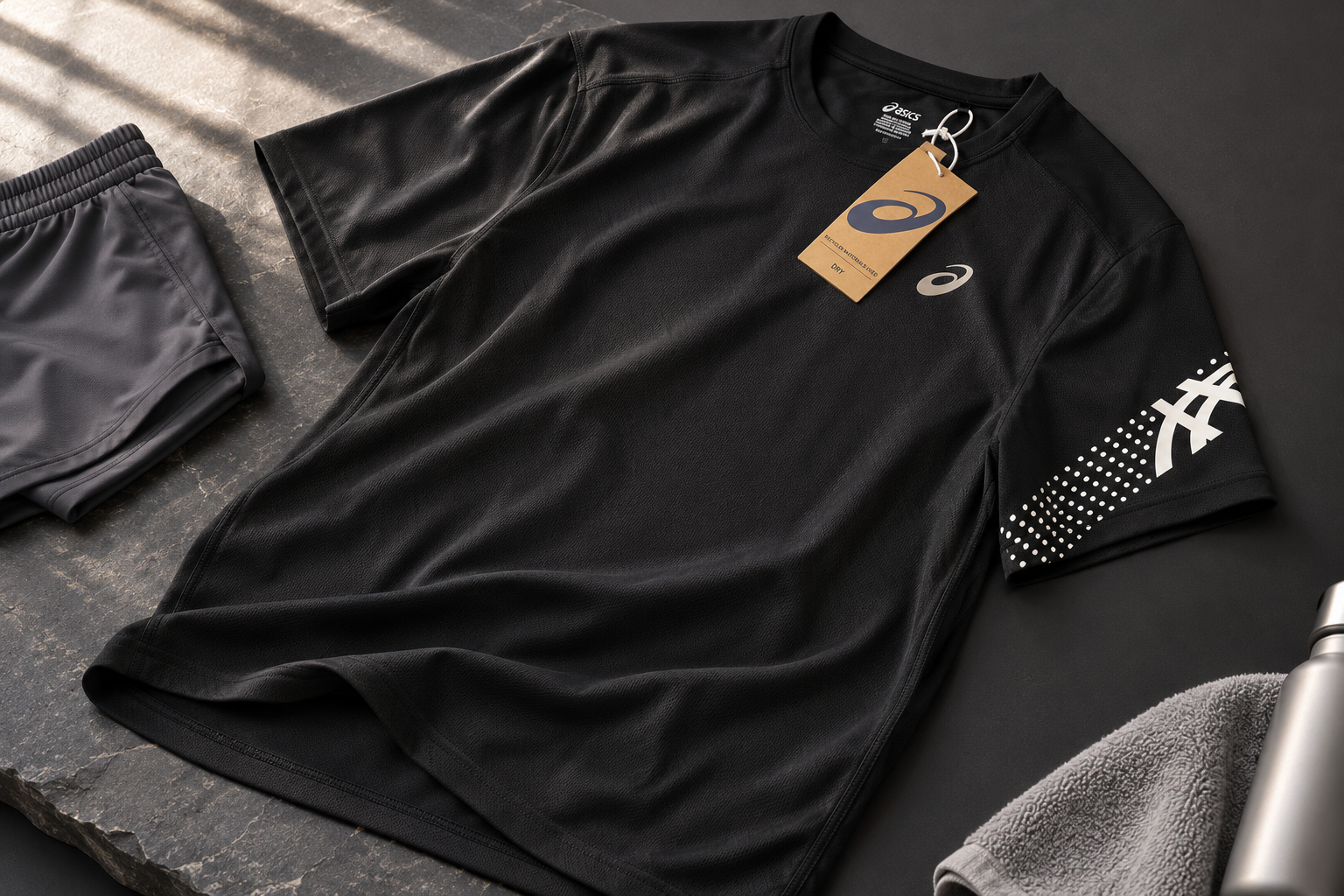
This is a product photo shared by a community buyer. This article only comments on the visible appearance details in the image, and does not involve wearing experience or actual purchase results. ## Details Confirmed in the Photo The photo shows
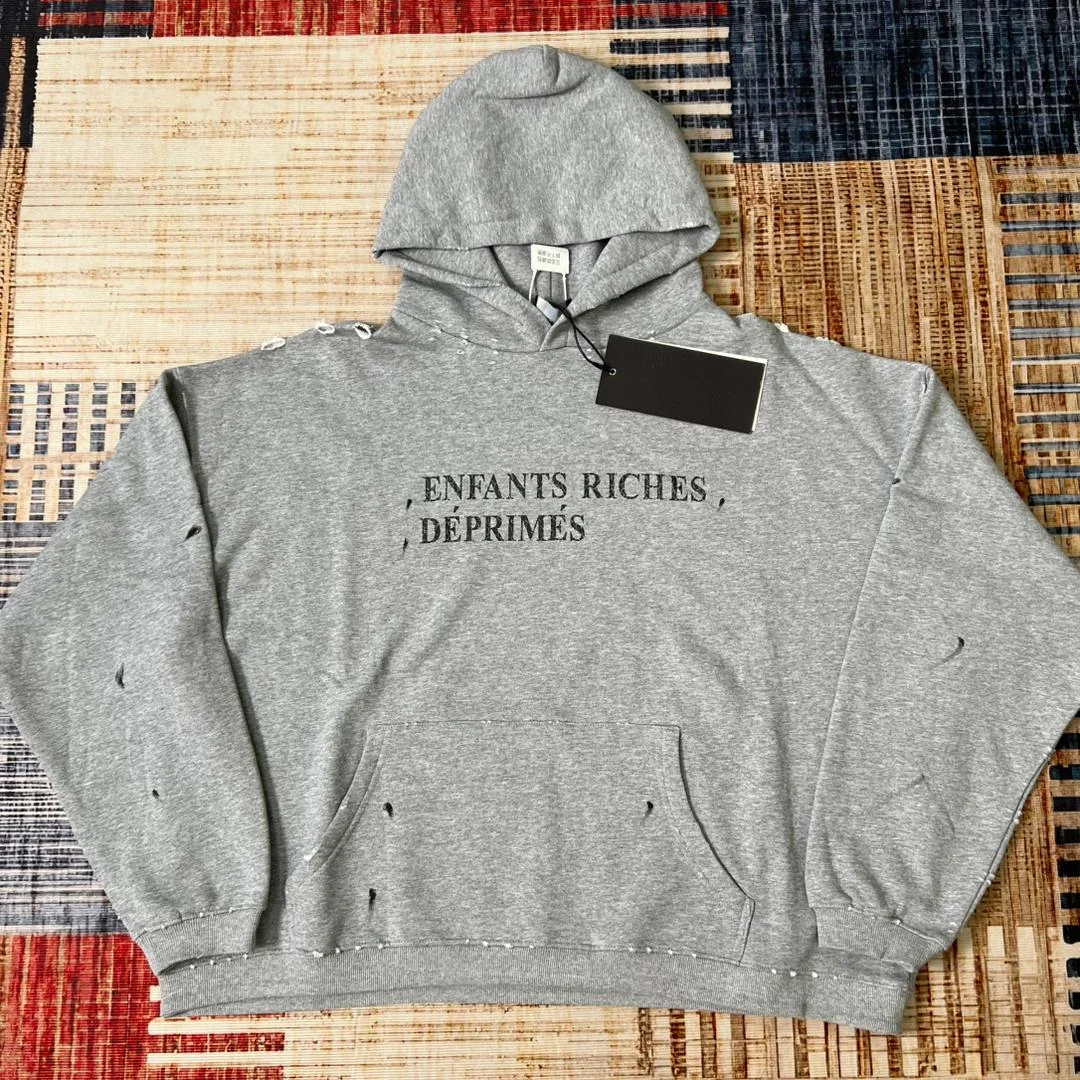
This is a product photo shared by a community buyer. This article only comments on the visible appearance details in the image, and does not involve wearing experience or actual purchase results.
Details Confirmed in the Photo

The photo shows a gray pullover hoodie. In the center of the front, there is a black "ENFANTS RICHES DÉPRIMÉS" lettering print, positioned slightly above the chest and clearly contrasting with the gray background. When laid flat, the hood has a complete outline, and drawstrings are visible at the hood opening. A black hang tag is also attached at the collar.
Below the body, there is a kangaroo pocket, and the pocket opening and edge outline are fairly clear. Both cuffs and the hem use ribbed finishes, and in the flat-lay state, relatively complete stitching edges can be seen. The shoulders, sleeves, and hem are not obscured by other items, so the overall structure is easy to observe.
What This Image Is Useful For
From an appearance display perspective, the main advantages of this flat-lay photo are threefold:
- The color relationship among the gray body, black lettering print, and black hang tag is clear.
- The front print placement, hood, drawstrings, and kangaroo pocket can all be viewed in the same image.
- The ribbed details on the cuffs and hem are visible, making it convenient to observe the overall finishing design.
The photo also shows that this is a piece with primary visual focus on the front graphic and basic hoodie construction. Because the image is laid flat, readers can first note whether the print is centered, whether the hood proportions look balanced, and whether the lines of the pocket and hem are clean.
What a Flat-Lay Photo Cannot Tell
A single front photo cannot confirm fabric composition, fabric thickness, warmth, or inner construction, nor can it determine the actual fit looseness, body length, or sleeve length when worn. The image does not provide a size chart, measured data, or worn state, so it cannot be used to judge whether the sizing is accurate or if the cut suits a particular body type.
Similarly, the lettering logo in the photo can only be described as shown; it cannot be used alone to confirm brand authenticity, specific model, or production batch. The black hang tag is clearly visible, but its backside information, product origin, and relevant documentation are not shown. Wash durability, pilling, print durability, and condition after long-term wear also cannot be concluded from this flat-lay image.
What to Check Before Buying
If you are using this image to decide whether to learn more about this hoodie, it is recommended to prioritize checking the following information:
- Chest width, body length, shoulder width, and sleeve length in the product specifications, and compare them with your own frequently worn clothing.
- Fabric composition, weight, inner material, and care instructions.
- Close-up details of the hood drawstrings, kangaroo pocket opening, and cuffs and hem.
- Real-life photos of the front and side when worn, to judge the actual silhouette beyond the flat-lay state.
- Whether the hang tag, neck label, and other product information match the page description.
Overall, this community photo is suitable for observing the gray body, black lettering print, and the external structure of the hoodie, especially the front graphic, hood, pocket, and ribbed finishes. It can help readers make a preliminary appearance assessment, but it is insufficient to draw conclusions about fabric, sizing, comfort, durability, or authenticity.
Nadia Brandt is the site's Editor-in-Chief, reviewing important corrections and leading its quarterly shipping-line timing study. Her coverage includes shopping-agent fee structures, parcel consolidation and volumetric weight, EU-bound shipping timelines, personal-import customs paperwork and QC photo interpretation. Each quarter, she sends paired 2 kg and 5 kg test parcels along every line the desk covers, logging pickup scans, warehouse departure, airline departure and delivery dates against the date the quote was issued. She reconciles the parcels with agent invoices, records cost differences, and uses median figures for the site's public timing tables. She maintains the order log in which scores are fixed before page performance is checked. Her coverage explains the transport milestones and invoice checks behind comparisons of shipping times.